


Bulk discounts available
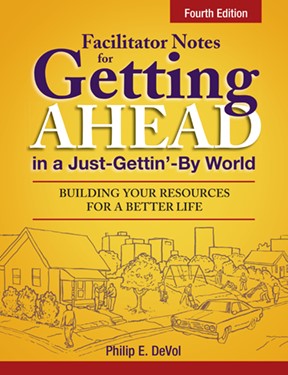
Getting Ahead in a Just-Gettin’-By World
From: $27.00
Description
If you’ve spent part of your life—or most of your life—struggling to get by in the world, the idea of actually getting ahead might seem out of reach. But even if your story has been filled with barriers, vanishing opportunities, and setbacks, the next chapter can change all that. Yes, you have to write it, but you don’t have to do it alone.
In a facilitated group setting, Getting Ahead in a Just-Gettin’-By World takes you step by step through a discovery of yourself like no other. It’s not just about how you got where you are now. It’s also about what comes next to build the life you want. Plus, this workbook helps you develop relationships with people who will support you all along the way.
You will investigate:
– The realities of conditions in your community and how they impact you
– Some of the “hidden rules” for getting ahead
– Skills that give you confidence to do what it takes to get ahead
– How to build resources and make connections at home and at work
– Ways to deal with change and create stability in your life
Success tip: If you have not taken our facilitator training for Getting Ahead, we offer trainings using the Facilitator Notes. To learn more about the training process, click here.
“As the class progressed, it was a real big soul searcher. It opened up doors I didn’t want to have opened, but once those doors were opened, I felt relieved. The Getting Ahead process kind of took my thinking to the next level.”
–James Williams Jr.
Getting Ahead Graduate
“I took the Getting Ahead program because I got tired of the life I was living. I decided it was time I found my own resources. What impacted me most was the self-empowerment. It made me feel like, “Yep, i can do something with myself, for myself.”
–Angela Callan
Getting Ahead Facilitator
“I’m a single mom, a high school dropout, and a recovering addict. This work has helped me to discover a whole new sense of purpose – and that being resourceful is a great strength – so I went back and got my GED. I would like to be a social worker, and now I can look forward to the future with an attitude of great possibility for myself, my family, and my community.
–Nichole Way
Getting Ahead Investigator
Español
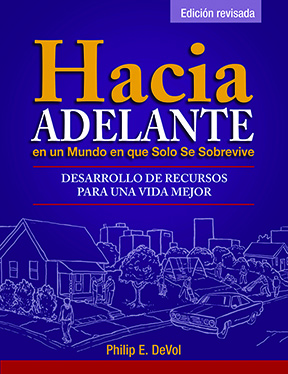
Si pudieras escribir la historia de tu futuro, ¿cómo empezaría y cómo terminaría?
Si durante una parte, o la mayor parte, de tu vida has estado luchando solo por irla pasando, puede que la idea de salir adelante te parezca inalcanzable. Sin embargo, aunque tu historia esté plagada de barreras, oportunidades que se desvanecen y contrariedades, el próximo capítulo puede revertir la situación. Sí, tú serás quien debe escribir este nuevo capítulo, pero no tienes que hacerlo solo.
Hacia Adelante en un Mundo en que Solo Se Sobrevive te conduce paso a paso por un proceso único de descubrimiento personal. No se trata solamente de cómo llegaste adonde estás ahora, sino también del próximo paso por seguir para crear la vida que quieres. Además, este manual de ejercicios te ayuda a relacionarte con personas que te brindarán su apoyo a lo largo de todo el proceso.
Investigarás:
- Las realidades de las condiciones de tu comunidad, y cómo te afectan estas condiciones.
- Algunas de las “reglas ocultas” para salir adelante.
- Habilidades que te darán la confianza para hacer lo que se necesita para salir adelante.
- Cómo desarrollar recursos y hacer contactos en tu hogar y en tu trabajo.
- Formas de lidiar con el cambio y crear estabilidad en tu vida.
Este próximo capítulo en tu vida no se trata de lo que los demás quieren, sino de lo que tú quieres, y de hacerte cargo de tu vida para crear tu historia futura.
A medida que avanzaban las clases, me di cuenta de que estaba haciendo un verdadero examen de conciencia. Se abrieron puertas que no quería abrir. Sin embargo, una vez que se abrieron, me sentí aliviado. El proceso de Hacia Adelante llevó mi pensamiento al próximo nivel.
–James Williams Jr., graduado de Hacia Adelante
Me incorporé al programa de Hacia Adelante porque me cansé de la vida que llevaba. Decidí que era hora de buscar mis propios recursos. Lo que más me impresionó fue el autoempoderamiento. Me hizo dar cuenta de que podía hacer algo por mí, y podía hacerlo yo misma.
–Angela Callan, facilitadora de Hacia Adelante
Soy madre soltera, no terminé la escuela secundaria y soy una adicta en recuperación. Este trabajo me ha ayudado a descubrir todo un nuevo sentido de propósito, y a ver que tener recursos es una gran fortaleza. Gracias a esto, volví a estudiar y pasé el examen de GED. Me gustaría ser trabajadora social, y ahora puedo mirar al futuro y contemplar grandes oportunidades para mí, para mi familia y para mi comunidad.
–Nichole Way, investigadora de Hacia Adelante
Desde 1997, Philip E. DeVol está a la cabeza del trabajo con personas, instituciones y comunidades para resolver los problemas relacionados con la pobreza. Esta nueva edición de Hacia Adelante, que es tan solo una de las publicaciones de DeVol, se ha estado utilizando con éxito en EE. UU. y en otros países del mundo desde 2004, e incorpora muchas de las experiencias y conclusiones de los primeros ocho años posteriores a la primera edición.
Additional information
| Weight | 24 oz |
|---|
Reviews
Only logged in customers who have purchased this product may leave a review.
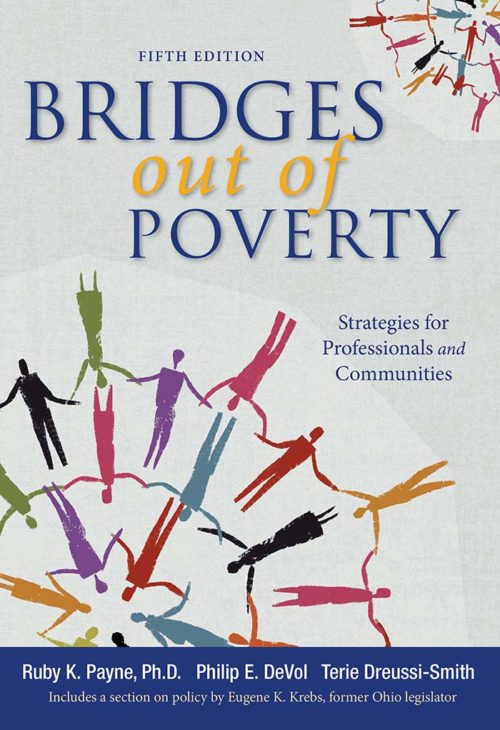
Helping Build Bridges Out of Poverty | An Interview With Philip DeVol | Leading LDS –
[…] In this episode I interview Philip DeVol who is years of experience understanding poverty, but more importantly, helping individuals get out of poverty. He has written two books that I highly recommend, Bridges Out of Poverty and Getting Ahead in a Just Gettin’-By-World. […]